 United StatesJFK
 MexicoMEX
 BrazilGRU
 ArgentinaEZE
 ChileSCL
 ColombiaBOG
 PeruLIM
 PanamaPTY
 Costa RicaSJO
 Dominican RepublicPUJ
 JamaicaMBJ
 BahamasNAS
 BarbadosBGI
 United KingdomLHR
 IrelandDUB
 FranceCDG
 GermanyFRA
 NetherlandsAMS
 BelgiumBRU
 SwitzerlandZRH
 AustriaVIE
 ItalyFCO
 SpainMAD
 PortugalLIS
 GreeceATH
 TurkeyIST
 DenmarkCPH
 SwedenARN
 NorwayOSL
 FinlandHEL
 PolandWAW
 Czech RepublicPRG
 HungaryBUD
 IcelandKEF
 United Arab EmiratesDXB
 QatarDOH
 Saudi ArabiaRUH
 IsraelTLV
 EgyptCAI
 MoroccoCMN
 South AfricaJNB
 KenyaNBO
 NigeriaLOS
 IndiaDEL
 PakistanLHE
 Sri LankaCMB
 SingaporeSIN
 MalaysiaKUL
 ThailandBKK
 VietnamSGN
 PhilippinesMNL
 IndonesiaCGK
 Hong KongHKG
 ChinaPVG
 TaiwanTPE
 JapanHND
 South KoreaICN
 AustraliaSYD
 New ZealandAKL
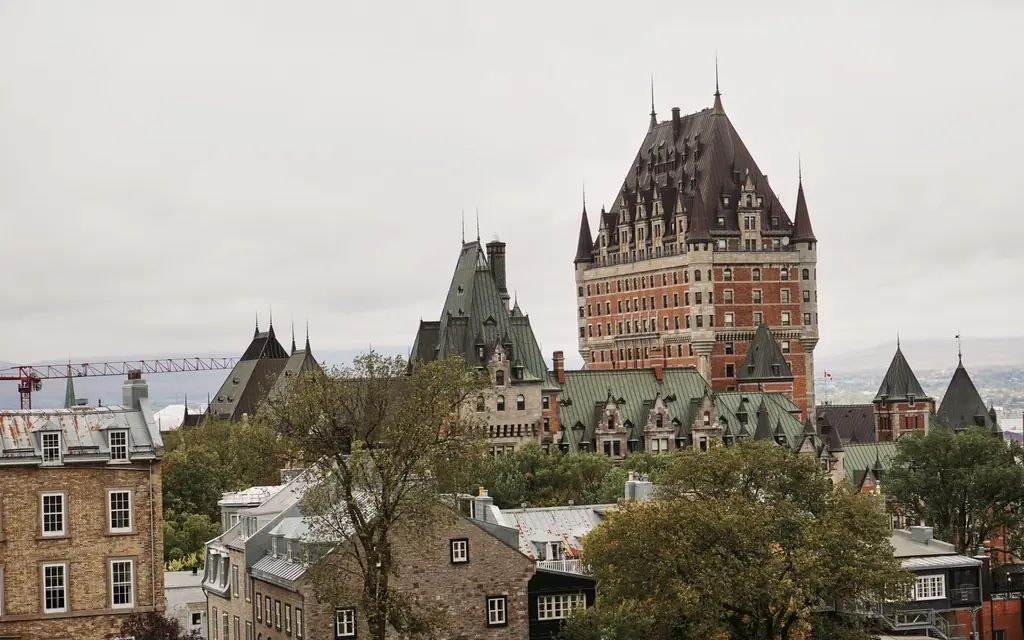
Old Québec is the rare destination where the best advice for a car service is to use it less. The historic district is a UNESCO World Heritage site, described by Québec City's tourism office as walkable and safe, the only fortified city north of Mexico, with more than 400 years of history. Its streets are cobblestone, its hill is steep and its best views are reached by steps and a funicular rather than a driveway. This guide gives you a walking route, explains how the two halves of the old city connect, and shows where a Québec City car service fits in around it.
Old Québec walking guide: the shape of the old city
The old city is divided into Upper Town and Lower Town. Upper Town sits on the cliff, behind the fortifications, and holds the Château Frontenac, the Terrasse Dufferin boardwalk, the Citadelle and the grand streets leading to the ramparts. Lower Town sits at the river's edge and includes Place Royale and the Petit-Champlain district, which the tourism office notes is known for maple taffy on snow in winter. The two halves are linked by stairs, a steep street and the funicular.
Knowing that shape saves hours. Do not try to drive between Upper and Lower Town for each stop; the connections are slow, one-way and busy. Walk the old city in one direction, using the funicular or stairs for the climb, and have your car meet you at a convenient edge. That is the logic of everything below.
Is Old Québec walkable, and can you use a car there?
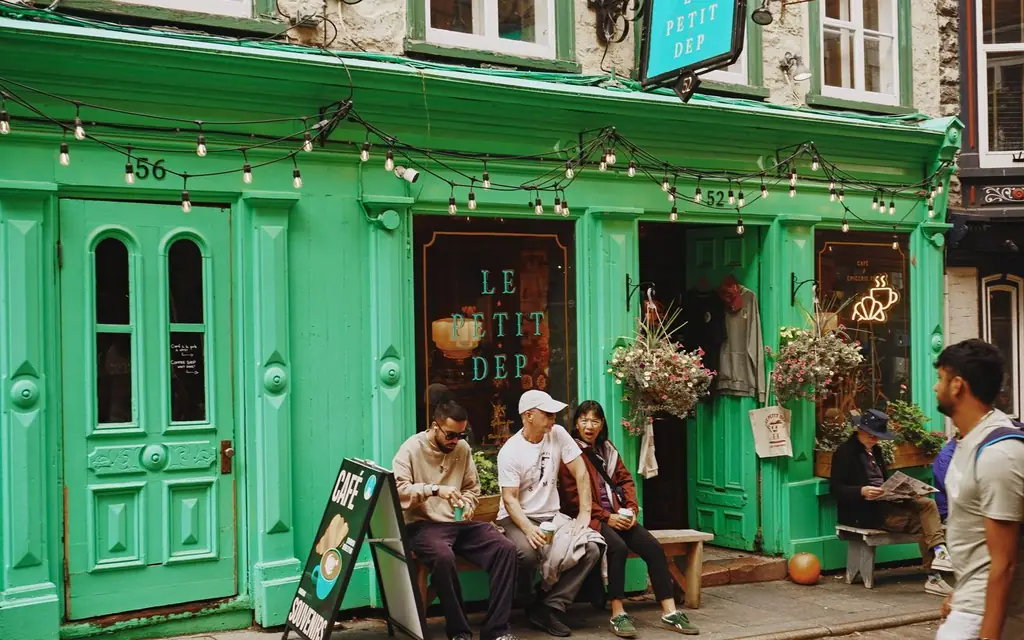
Old Québec is very walkable, but cobblestones and steep slopes mean comfortable shoes matter. Cars can reach the edges of the district and certain hotel entrances, but not every street or the pedestrian lanes of Petit-Champlain. A chauffeur is most useful for the airport, station or cruise arrival, luggage, and exits late at night.
Cars are not banned from the old city, but the streets are narrow, historic and often crowded, so a driver chooses drop-offs carefully. For a hotel inside the walls, the driver takes you as close to the entrance as the street allows and you walk the last stretch if necessary. For a day of sightseeing, the sensible approach is to be dropped at one end and collected at the other.
When to go: seasons and what changes
Québec City's tourism office describes all four seasons: winter for snow and festive atmosphere, spring for nature's renewal, summer for festivals and celebrations, and fall for scenery. Each changes the walk. In winter the streets are slippery, the days are short and the Winter Carnival night parade brings crowds. In summer the Terrasse is lively and the lanes are busy by mid-morning. Autumn is often the most comfortable for walking.
Winter is also when the funicular matters most. The funicular's own site says it operates year-round, including winter, though wheelchair access is limited to spring, summer and fall because the funicular is closed in winter when there is snow. Dress for weather you can feel.
Our guides to the Québec Winter Carnival and the Festival d'été de Québec cover the busiest times of year in detail.
Arriving: airport, train station or cruise terminal
Most visitors arrive at one of three places, and each is close enough to the old city that the transfer is a short run. All three are priced on the minimum fare, since the distances are short. Fares are in Canadian dollars before tax, with the exact amount for your address shown in the online booker.

| From | Distance and typical drive | Executive Sedan (3 pax) | Luxury SUV (6 pax) | Executive Sprinter (12-14 pax) |
|---|---|---|---|---|
| Jean Lesage airport (YQB) | well under 30 km, typically 20-30 min | $145-$175 | $180-$220 | $295-$355 |
| Gare du Palais (train) | short run, 5-10 min | $145-$175 (minimum) | $180-$220 (minimum) | $295-$355 (minimum) |
| Cruise terminal, Lower Town | short run, 5-10 min | $145-$175 (minimum) | $180-$220 (minimum) | $295-$355 (minimum) |
Our hub pages cover each arrival in detail: the Québec City airport limo page, the Gare du Palais page and the Québec City cruise terminal page. At the airport, taxis queue outside by the door, and the taxi counter is on level 1 between international arrivals and the currency exchange office, according to the airport's own site. A pre-booked chauffeur skips the queue and carries the luggage.
For a full day with a driver, hourly rates apply. A four-hour block costs roughly $540-$660 in an Executive Sedan at $135-$165 an hour, and $700-$840 in a Luxury SUV at $175-$210 an hour. Seats, bags and the full rate card are on the limo rates and fleet pages.
Stop 1: Château Frontenac and Terrasse Dufferin
Start at the top. The Château Frontenac is the Fairmont hotel that dominates the skyline, and Terrasse Dufferin is the boardwalk beside it overlooking the river. The terrace is the most reliable first impression of the city: the St. Lawrence, the Lower Town roofs and, on a clear day, the far shore.
Your car drops you near the hotel on the Upper Town side. Walk the terrace slowly in either direction, then use the stairs or the funicular to descend to the water. It is much easier to descend the hill than to climb it with luggage, which is another reason to arrive with a driver who can hold your bags.
Stop 2: The funicular to Petit-Champlain
The Old Québec funicular is the quickest way between levels. Its lower station is at 16 rue du Petit-Champlain, in the Petit-Champlain district, and its upper station is on Terrasse Dufferin, next to the Parks Canada kiosk and behind the Château Frontenac.

According to the operator's own page at the time of writing, the standard fare is $7 per person for a one-way trip, groups of 25 or more pay less, children under 117 cm ride free, and payment is cash only on site. Hours are 9 a.m. to 9 p.m. in the regular season and 9 a.m. to 10 p.m. in high season, from Saint-Jean-Baptiste Day to Labour Day. Strollers are allowed but must be folded. Check the funicular site for current details.
Stop 3: Petit-Champlain and Place Royale
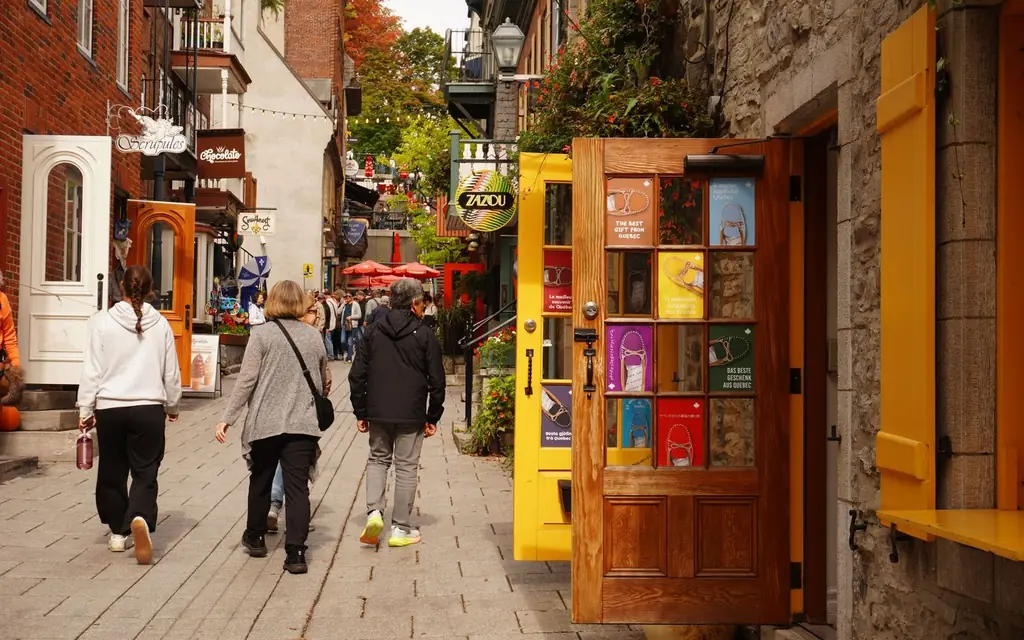
At the bottom, Petit-Champlain is a pedestrian-scale district of boutiques, cafés and galleries, and Place Royale is a short walk away. This is Lower Town at its most characteristic: narrow lanes, stone buildings and a sense of the city's origins. It is also the busiest part of the old city at peak times, so arrive early.
A car cannot meaningfully drive the lanes themselves. Instead, ask your driver to meet you at a street on the edge of the district, ideally near the cruise terminal or the river road, and walk the lanes between the funicular and your pickup point. If you need less walking, a short drive between Lower Town stops is possible but slower than walking.
Stop 4: Fortifications and the Citadelle
The walls are what make Old Québec unique. Parks Canada manages the Fortifications of Québec National Historic Site, which tells the military and social history of the district through guided tours led by a Parks Canada guide. The address listed is 2 D'Auteuil Street, and the page lists a 2026 season that ran from June 19 to September 7, so check Parks Canada before you go in the shoulder seasons.
The Citadelle, at 1 Côte de la Citadelle, is described as a living fortress, home to the Royal 22nd Regiment and a National Historic Site. Its site mentions a daily noon cannon blast and a Night Tours programme in October 2026, and tickets can be bought online. The hours shown on the site at the time of writing were dated 2024-25, so confirm the current season on the Citadelle site before you plan your day around it. A chauffeur can drop you at the gate and meet you afterwards, which saves a steep climb with tired legs.
A sample walking route, hour by hour
This route takes about four to five hours at an easy pace and works in spring through autumn.
- 9:00 a.m. Drop-off at the Château Frontenac side, with luggage left at your hotel or in the car.
- 9:15 a.m. Walk Terrasse Dufferin to the end and back.
- 10:15 a.m. Fortifications guided tour, if running, or a walk along the ramparts near the Citadelle.
- 12:00 p.m. Cannon blast at the Citadelle, then lunch in Upper Town.
- 1:30 p.m. Funicular down to Petit-Champlain.
- 2:00 p.m. Petit-Champlain lanes and Place Royale.
- 4:00 p.m. Car pickup at the river edge, then a drive to your hotel or a tasting.
- Evening. Dinner in Upper Town, with the car waiting outside the restaurant when you finish.
Winter reverses the logic. Shorten the outdoor stretches, add an indoor stop, and let the car carry you between them.
Where a car can and cannot go
The old city's streets are historic and tight. In practice, cars can stop on many main streets, at hotel entrances and at the district's edges, but not within pedestrian lanes such as those of Petit-Champlain. Event days, festivals and winter weather can close or restrict streets without much notice. Because restrictions can change, ask your driver on the day.
If you are staying within the walls, you rarely need a car there at all. That is the biggest difference from a trip to a mountain park: here, the best plan is to leave the car outside and walk.
Families, groups and mobility
Cobblestones and steep slopes are demanding with strollers or reduced mobility. The funicular allows strollers if folded, wheelchair users ride free, and wheelchair access is limited to spring, summer and fall. A car meeting you at the top or bottom, whichever suits, makes the day easier. Child seats are free when requested at booking. For a family of five or six with a stroller and luggage, the Luxury SUV is the right size. A group of 12 to 14 can use the Executive Sprinter.
If a member of your party cannot manage the slopes, plan a shorter route: terrace, funicular, lunch in Lower Town, then a car back to the hotel.
Shoes with grip are the single most important item. Cobblestones are uneven, and wet or icy surfaces are slick. Carry a light rain shell in spring and autumn, a warm hat and gloves from November to March, and sunscreen in July. Cash is useful for the funicular, which is listed as cash only on site.
Honest alternatives: walking, taxis and buses
If you are staying inside the walls and travelling light, walking is the best option. A taxi from the airport works for a solo traveller, and the airport lists day and night rates from the airport to downtown Québec City, though the amounts are shown on a fare map rather than in text. The city's public transit operator, RTC, publishes route and fare schedules on its website.
| Option | Cost (CAD) | Time | Best for |
|---|---|---|---|
| Walking | free | varies | Anyone staying in or near the old city |
| Funicular | $7 per person one way (cash) | short ride between levels | Skipping the climb between Upper and Lower Town |
| Airport taxi | metered, with day and night rates | typically 20-30 min | Solo travellers and couples with light bags |
| Public transit (RTC) | low per person | check RTC routes | Budget travellers who accept a timetable |
| Private car, Executive Sedan | $145-$175 per transfer | typically 20-30 min from YQB | Couples with luggage |
| Private car, Luxury SUV | $180-$220 per transfer | typically 20-30 min from YQB | Families and groups |
A car does not make the old city itself any quicker. It makes the arrival, the luggage and the evening exit easier. If you arrive by train or by cruise ship with minimal bags, you may not need a car at all.
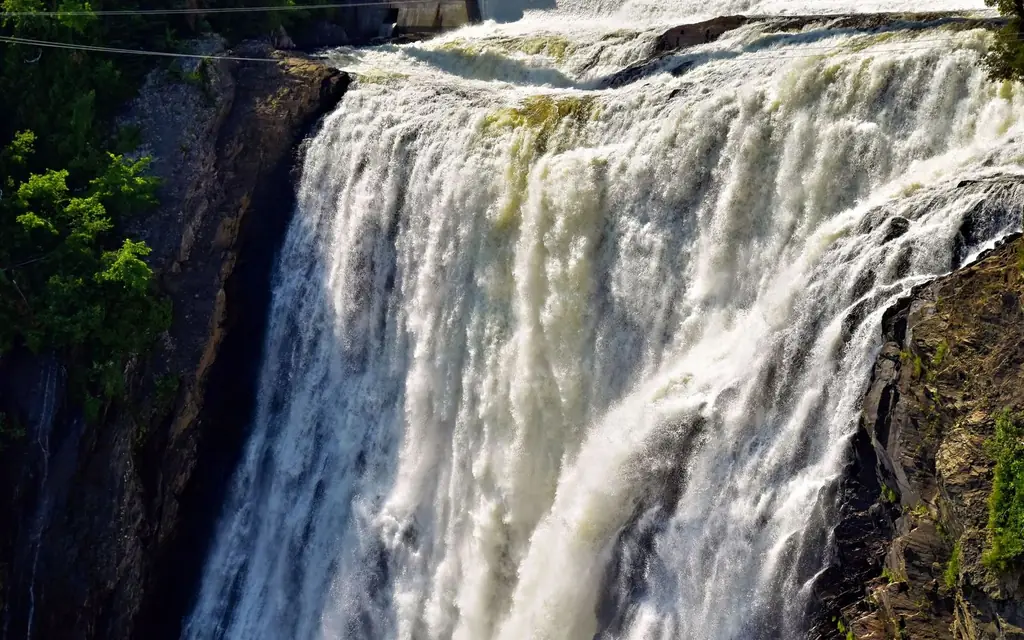
Old Québec is often a base for other trips. Our Montmorency Falls and Île d'Orléans guide covers a half-day beyond the walls, and the Québec City weekend guide places the old city inside a longer stay across the seasons. For the cruise side of the city, the cruise terminal page explains the arrival.
Booking and cancellation
Enter the pickup and the hotel or restaurant address, then choose a transfer or hourly service. Airport pickups include flight tracking, and the first hour of waiting after an international landing is free, as is the first half hour after a domestic one. A name-board greeting in the arrivals hall is an add-on of $100-$150.
Cancelling is priced from the scheduled pickup time: free beyond 72 hours' notice, 10% at 72 hours or less, 50% at 48 hours or less, and 100% at 24 hours or less or a no-show. For winter visits, review the forecast in the final three days.
Frequently asked questions
Is Old Québec walkable?
Yes. Québec City's tourism office describes it as walkable and safe, and says to expect cobblestone streets. Wear shoes with grip and plan for stairs and slopes between Upper and Lower Town.
Can a car drive into Old Québec?
Cars can reach many streets and hotel entrances, but not the pedestrian lanes such as those of Petit-Champlain. Narrow, crowded streets mean drop-offs are usually at the edge of a district. Your driver will tell you where they can stop.
How much is a car from Québec City airport to Old Québec?
It is a short run of well under 30 km, so the minimum fare applies: $145-$175 in an Executive Sedan, $180-$220 in a Luxury SUV and $295-$355 in an Executive Sprinter, before tax. The final fare appears in the booker once you add your address.
How do I get from Upper Town to Lower Town?
By stairs, a steep street or the Old Québec funicular. The lower station is at 16 rue du Petit-Champlain and the upper station is on Terrasse Dufferin, behind the Château Frontenac. The standard fare listed was $7 one way, payable in cash.
How long do I need in Old Québec?
A focused walking route takes four to five hours. Add time for the Citadelle or a guided fortifications tour, meals and shopping. Many visitors spend a full day or a weekend.
Does the funicular run in winter?
The funicular's own site says it operates year-round, including winter, although wheelchair access is limited to spring, summer and fall because it is closed in winter when there is snow. Check before you rely on it.
Is the Citadelle open in autumn and winter?
The Citadelle's site lists seasonal hours, with later starts in fall and winter, and a night-tour programme in October 2026. The schedule shown on the site was dated 2024-25, so confirm the current one.
What is the best season for Old Québec?
Each season suits a different traveller: winter for the carnival atmosphere, spring for quieter streets, summer for festivals and fall for scenery. Autumn is usually the most comfortable season for long walks.
Do I need a car in Old Québec?
Usually not for the old city itself. You will want one for airport or station arrivals, for luggage, and for trips beyond the walls such as Montmorency Falls.