 United StatesJFK
 MexicoMEX
 BrazilGRU
 ArgentinaEZE
 ChileSCL
 ColombiaBOG
 PeruLIM
 PanamaPTY
 Costa RicaSJO
 Dominican RepublicPUJ
 JamaicaMBJ
 BahamasNAS
 BarbadosBGI
 United KingdomLHR
 IrelandDUB
 FranceCDG
 GermanyFRA
 NetherlandsAMS
 BelgiumBRU
 SwitzerlandZRH
 AustriaVIE
 ItalyFCO
 SpainMAD
 PortugalLIS
 GreeceATH
 TurkeyIST
 DenmarkCPH
 SwedenARN
 NorwayOSL
 FinlandHEL
 PolandWAW
 Czech RepublicPRG
 HungaryBUD
 IcelandKEF
 United Arab EmiratesDXB
 QatarDOH
 Saudi ArabiaRUH
 IsraelTLV
 EgyptCAI
 MoroccoCMN
 South AfricaJNB
 KenyaNBO
 NigeriaLOS
 IndiaDEL
 PakistanLHE
 Sri LankaCMB
 SingaporeSIN
 MalaysiaKUL
 ThailandBKK
 VietnamSGN
 PhilippinesMNL
 IndonesiaCGK
 Hong KongHKG
 ChinaPVG
 TaiwanTPE
 JapanHND
 South KoreaICN
 AustraliaSYD
 New ZealandAKL
Business travel runs on schedules that other people set: a board meeting at nine, a flight that lands at ten past six, a client who has fifteen minutes between sessions. A corporate car service exists to remove the variable that the traveller controls least, which is how they get from one place to the next. The best version of it is almost invisible. The car is where it said it would be, the invoice arrives in a format finance can use, and nobody has to think about it.
This guide is for travel managers, executive assistants and the executives themselves. It covers airport runs, multi-stop days, accounts and invoicing, confidentiality, coordination with security teams and the places where a car is not the right tool. Prices are Canadian dollars before tax; tolls such as the 407 ETR are extra and gratuity is at the client's discretion.
How does a corporate car service account work?
A business books chauffeured cars through LimousineCanada.ca, keeps receipts and invoices in one place, and pays at published rates: airport transfers from $145, hourly hire from $135 per hour for a sedan. Ask about an account when you book to consolidate travellers and itemise each trip.
The mechanics are simple. Each booking names the traveller, the date, the pickup and drop-off, the flight number if there is one and any cost-centre or project reference you want to appear in the booking notes. An assistant can book a trip in a few minutes once the traveller details are to hand. The online booker gives an all-in fare for each trip before it is confirmed, so the approver sees the number first.
Executive airport transfers
Airport work is the core of corporate demand, because the stakes are highest at the start and end of a trip. The car follows the flight, waits 60 minutes free after an international landing and 30 minutes after a domestic one, and can meet the traveller inside the arrivals hall with a name board for an extra $100 to $150.
Distances inside most big cities fall under the transfer minimums, so airport-to-downtown fares read as flat ranges:
| Run | Distance | Executive Sedan | Luxury SUV | Executive Sprinter |
|---|---|---|---|---|
| Calgary airport to downtown | about 17 km | $145 to $175 | $180 to $220 | $295 to $355 |
| Montréal-Trudeau to downtown | about 20 km | $145 to $175 | $180 to $220 | $295 to $355 |
| Pearson to downtown Toronto | about 27 km | $145 to $175 | $180 to $220 | $295 to $355 |
Drive times depend on the hour and the traffic, and peak periods in the big cities add a good deal, so build slack into the first meeting after a landing. For a longer run, kilometres multiplied by the per-km rate applies: a 60 km transfer in an Executive Sedan is $280 to $335. Our hub pages, such as Pearson, Calgary and Ottawa, give door-level detail for the terminals executives use most.
Hourly hire for roadshows and multi-stop days
A roadshow is the case where a car pays for itself. If an executive has four meetings across a city in a single day, the car waits at each stop, nobody circles a block looking for a space, and the day starts and ends on schedule. Hourly hire covers this, with a minimum of two hours for sedans and SUVs and three for Sprinters.
| Vehicle | Hourly range | Typical 8-hour day | Passengers |
|---|---|---|---|
| Executive Sedan | $135 to $165 | $1,080 to $1,320 | 3 |
| Luxury SUV | $175 to $210 | $1,400 to $1,680 | 6 |
| Executive Sprinter | $240 to $295 | $1,920 to $2,360 | 12 to 14 |
For a team of two or three, the sedan is the economical day car. For a team with a laptop bag, a display case and a printed deck, an SUV gives room to spread out. For a delegation of a dozen, the Sprinter is the answer, and the arrival at the venue is a single event rather than three separate ones. The hourly chauffeur page covers how to plan the day, including the order of stops.
Choosing vehicles for a team
Match the vehicle to the number of people and the amount of equipment, not to the status of the passenger. Three executives with carry-on bags fit comfortably in a sedan. Three executives with a trunk of marketing material do not. Four people never belong in a sedan, even if the rate seems attractive.
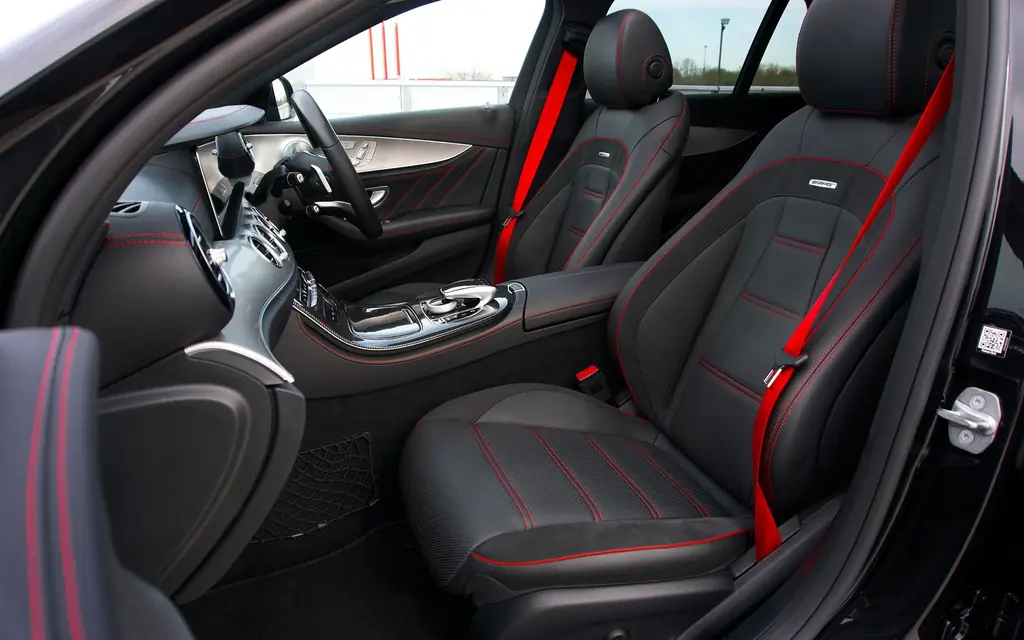
- Executive Sedan: three passengers, two large bags and two carry-on.
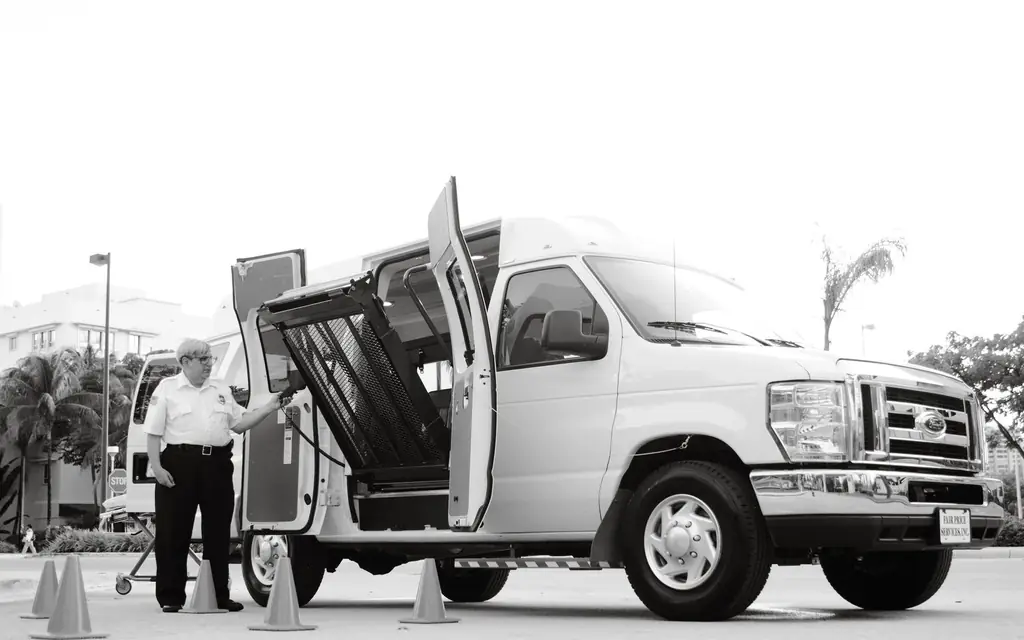
- Luxury SUV: six passengers, five to six large bags.
- Executive Sprinter: twelve to fourteen passengers, twelve or more bags.
- Mini-coach: twenty to thirty passengers for conferences and off-sites. See the fleet page.
Our vehicles are no more than four model years old and operate under commercial for-hire insurance, which is the kind of detail a procurement team asks for in a supplier review.
Accounts, invoices and receipts
Finance teams care about three things: that a receipt exists, that it shows the right information, and that it can be matched to a traveller. A chauffeur account addresses all three. Receipts are itemised per trip, and consolidated invoices can group several travellers together. Give us the project or cost-centre reference in the booking notes so the cost lands in the right budget.
If your company is registered for GST/HST and claims input tax credits, the documentation requirements are worth knowing. The Canada Revenue Agency's guidance says supporting documents must include the supplier's business name, the invoice date and the total paid for amounts under $100. From $100 to $499.99 they must also show the GST/HST charged and the supplier's registration number. At $500 or more they must add the buyer's name, a short description of the service and the payment terms. Most chauffeur trips land in the middle or upper band, so a proper itemised invoice matters. The CRA lays it out on its input tax credits page. Your own accountant has the final word on what is claimable.
Travel policy: when a car is worth it and when it is not
A corporate travel policy should say when a chauffeur is appropriate. A reasonable framework follows a few questions: is the traveller senior or carrying sensitive material, is the schedule tight, is the party more than one person, and is the journey long or at an unusual hour?
| Option | Cost | Time | Suits |
|---|---|---|---|
| Airport rail or rapid transit | Lowest | Fixed timetable | A solo traveller with a laptop bag and a flexible schedule |
| Taxi | Metered | Door to door | Short ad hoc trips |
| Rideshare | Varies with demand | Door to door after a wait | Unscheduled solo trips |
| Pre-booked sedan | $145 to $175 minimum | Timed to the flight or meeting | Executives, clients, tight schedules |
| Pre-booked SUV or Sprinter | $180 to $355 minimum | Timed to the plan | Teams and delegations |
If a junior colleague is flying in alone with a light bag and has an hour of slack, the train is usually the right call, and your policy should say so. The case for a chauffeur gets stronger as stakes, headcount or luggage rise. Our limo versus rideshare guide goes through the trade-offs in detail.
Confidentiality and discretion
Executives talk in cars. They take calls, review drafts and discuss people. A professional chauffeur understands that what is said in the back seat stays there. That is a norm of the profession rather than a legal guarantee, and where a legal guarantee matters, you should ask for one.
If your company requires a confidentiality agreement with its suppliers, raise it before the first booking rather than on the morning of the trip. Keep sensitive itinerary detail out of group chats and shared calendars, and give the chauffeur only what he or she needs: the pickup, the drop-off and the time. For sensitive meetings, consider a pickup point that is not the office entrance.
Coordination with executive protection teams
We are a chauffeured transportation provider, not a security company. Armoured vehicles and armed protection are not on our published rate card. Where a principal has a protection detail, a car service can still be an important part of the plan, and coordination is a matter of communication.

Typical items to agree in advance with a security lead:
- The route, and any alternative route the team prefers.
- The pickup and drop-off points, including which entrance is used.
- The vehicle class and, where relevant, how many seats the team needs for its own members.
- A single point of contact for the chauffeur on the day.
- What information may be shared in writing and what will be given by phone.
Treat the security lead's instructions as authoritative, and let the chauffeur concentrate on driving. If the plan changes, a single short message from the security lead to the booking team is better than several informal ones from the people in the car, and it leaves a record of what was agreed.
Conferences, delegations and VIP arrivals
Large events strain every part of local transport. A delegation arriving by air can be met at the airport by a Sprinter, taken to a hotel, shuttled to the conference venue each morning and returned each evening. Private flights arrive at a different part of the airport, and our private aviation pages cover the terminals where the car meets the aircraft, including Toronto Pearson and Calgary.
For events such as the Toronto International Film Festival and the Calgary Stampede, demand surges, and early booking is the only reliable way to lock in the vehicle you need.
Client entertainment and evening events
Entertaining clients is a form of travel. A chauffeur collecting a client from a hotel, taking them to dinner and returning them afterwards is a more considered gesture than a rideshare, and it removes the question of how everyone gets home. Hourly hire suits the evening. A sedan or SUV for three hours at $135 to $210 per hour sets a clear cost, and the schedule can flex if the dinner runs long.
For larger events, coordinate with the venue about where the cars may wait, and designate one person to give the chauffeurs their instructions.
Multi-city itineraries
Executives rarely stay in one city. A tour of Toronto, Ottawa and Montréal involves airport transfers in each and a long intercity leg, and a single booking approach for all of them saves time. Our hub pages cover the major cities, from Toronto and Vancouver to Ottawa, Calgary and Montréal. Intercity routes, such as Toronto to Ottawa or Ottawa to Montréal, are priced per kilometre against the same rate card.
Licensing and insurance: what procurement should ask
Procurement teams often ask suppliers for proof of licensing and insurance, and the answer differs by city. In Toronto, limousine owners must hold a licence from the City and show $2,000,000 in commercial general liability insurance, as described on the City's limousine owner page. In British Columbia, limousine operators require a passenger transportation licence with special authorization, as the Passenger Transportation Board explains. Ask any supplier for the licence that applies in the city where the trip is based.
Setting up your first corporate booking
- Decide who books: an assistant, a travel manager or each traveller.
- Gather the traveller names, mobile numbers and any cost-centre references.
- Make the first booking through the booker and ask about an account.
- Check the confirmation names the correct vehicle class and times.
- Review the invoice after the first trip and note any changes you need.
Read more about how we work on the why LimousineCanada.ca page. A short pilot works well: choose one team, run a month of bookings, and review the invoices and the on-time record before you widen the account to the rest of the company.
Cancellation for business bookings
Business plans change often, so the policy is worth knowing, and it counts back from the scheduled pickup. Release a car more than 72 hours ahead and there is nothing to pay. At 72 hours or less the charge is 10%, at 48 hours or less it is 50%, and at 24 hours or less or for a no-show it is 100%. Travel managers can build the thresholds into their own approval process, so that a meeting that is likely to move is cancelled before the 72-hour mark.
Frequently asked questions
Do you offer corporate accounts?
Yes. Ask about a business account when you book, and you will receive itemised receipts and consolidated invoices.
How much is a corporate car service from the airport?
For most airport-to-downtown runs, an Executive Sedan is $145 to $175, a Luxury SUV is $180 to $220 and an Executive Sprinter is $295 to $355, because the minimum applies.
Can an executive be met inside the terminal?
Yes. A name-board meet-and-greet inside the arrivals hall is an add-on of $100 to $150.
What does an 8-hour roadshow day cost?
About $1,080 to $1,320 in an Executive Sedan, $1,400 to $1,680 in a Luxury SUV and $1,920 to $2,360 in an Executive Sprinter, before tax and gratuity.
Do you provide armoured vehicles or security?
No. We are a chauffeured transportation provider. We will coordinate with your security lead on timing, routes and pickup points.
Will you sign a confidentiality agreement?
Raise it with the booking team before your first trip and we will tell you what is possible.
Are your vehicles insured?
Every vehicle operates under commercial for-hire insurance, and chauffeurs work within the licensing rules of the city where the trip is based.
Can I book several travellers at once?
Yes. Enter each trip in the booker or add notes for the booking team, and ask for a consolidated invoice.