 United StatesJFK
 MexicoMEX
 BrazilGRU
 ArgentinaEZE
 ChileSCL
 ColombiaBOG
 PeruLIM
 PanamaPTY
 Costa RicaSJO
 Dominican RepublicPUJ
 JamaicaMBJ
 BahamasNAS
 BarbadosBGI
 United KingdomLHR
 IrelandDUB
 FranceCDG
 GermanyFRA
 NetherlandsAMS
 BelgiumBRU
 SwitzerlandZRH
 AustriaVIE
 ItalyFCO
 SpainMAD
 PortugalLIS
 GreeceATH
 TurkeyIST
 DenmarkCPH
 SwedenARN
 NorwayOSL
 FinlandHEL
 PolandWAW
 Czech RepublicPRG
 HungaryBUD
 IcelandKEF
 United Arab EmiratesDXB
 QatarDOH
 Saudi ArabiaRUH
 IsraelTLV
 EgyptCAI
 MoroccoCMN
 South AfricaJNB
 KenyaNBO
 NigeriaLOS
 IndiaDEL
 PakistanLHE
 Sri LankaCMB
 SingaporeSIN
 MalaysiaKUL
 ThailandBKK
 VietnamSGN
 PhilippinesMNL
 IndonesiaCGK
 Hong KongHKG
 ChinaPVG
 TaiwanTPE
 JapanHND
 South KoreaICN
 AustraliaSYD
 New ZealandAKL
Intercity limo service is the booking that people usually make last and regret leaving late. A private car between Toronto and Montréal, or from Calgary airport to Banff, turns a long transfer into a quiet working or resting block, but it is also the most expensive way to make the trip, so it deserves a clear comparison. This hub lists the routes we price most often, with distance, typical drive time and a fare range for each vehicle.
LimousineCanada.ca prices every route from the same published rate card. A sedan runs $4.65 to $5.55 per kilometre, a Luxury SUV $5.85 to $7.05 and an Executive Sprinter $8.25 to $9.90, before tax, with a minimum per transfer. The fares below are those rates multiplied by the approximate distance and rounded to the nearest $5. The online booker uses your exact addresses and gives the all-in figure.
Intercity routes we price most often
Each route has its own page with options, alternatives and local detail. Distances are approximate road kilometres and times assume normal traffic.
| Route | Distance and drive time | Executive Sedan | Luxury SUV | Executive Sprinter |
|---|---|---|---|---|
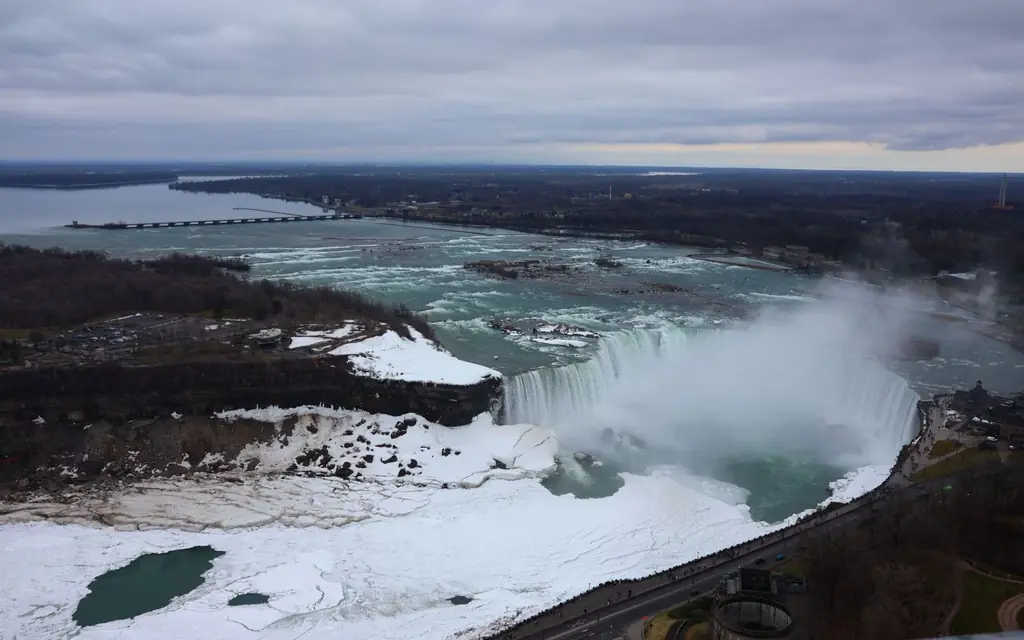
| Toronto airport to Niagara Falls | about 130 km, 1 h 30 to 2 h | $605 to $720 | $760 to $915 | $1,070 to $1,285 |
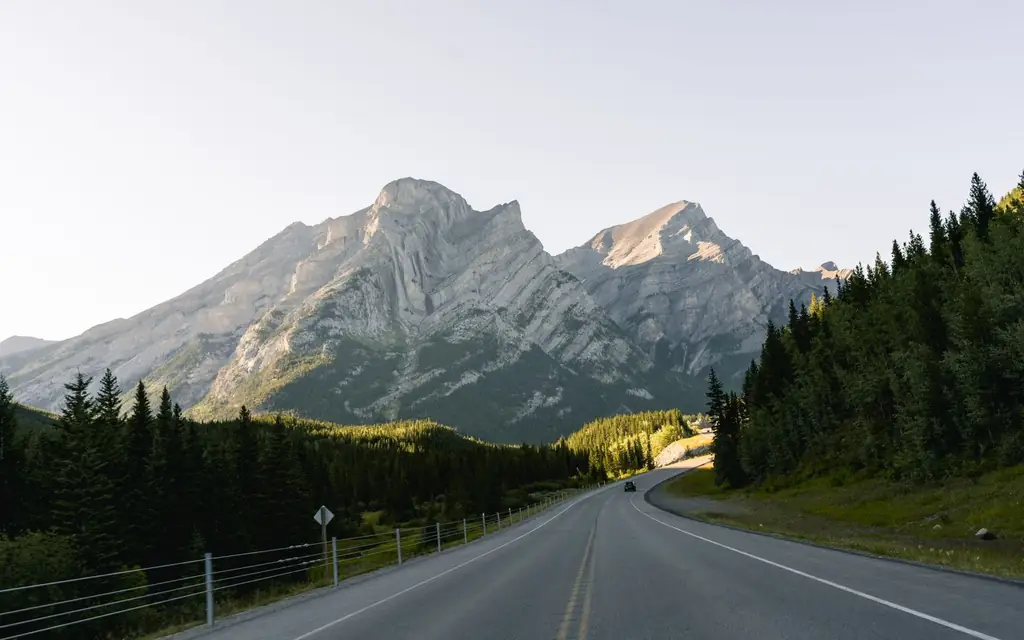
| Calgary airport to Banff | about 130 km, about 1 h 30 | $605 to $720 | $760 to $915 | $1,070 to $1,285 |
| Vancouver airport to Whistler | about 137 km, 1 h 45 to 2 h 15 | $635 to $760 | $800 to $965 | $1,130 to $1,355 |
| Montréal to Mont-Tremblant | about 125 km, about 1 h 30 | $580 to $695 | $730 to $880 | $1,030 to $1,240 |
| Pearson to Muskoka (Bracebridge) | about 176 km, about 2 h | $820 to $975 | $1,030 to $1,240 | $1,450 to $1,740 |
| Edmonton to Jasper | about 365 km, about 4 h | $1,695 to $2,025 | $2,135 to $2,575 | $3,010 to $3,615 |
City-to-city routes in Ontario and Québec
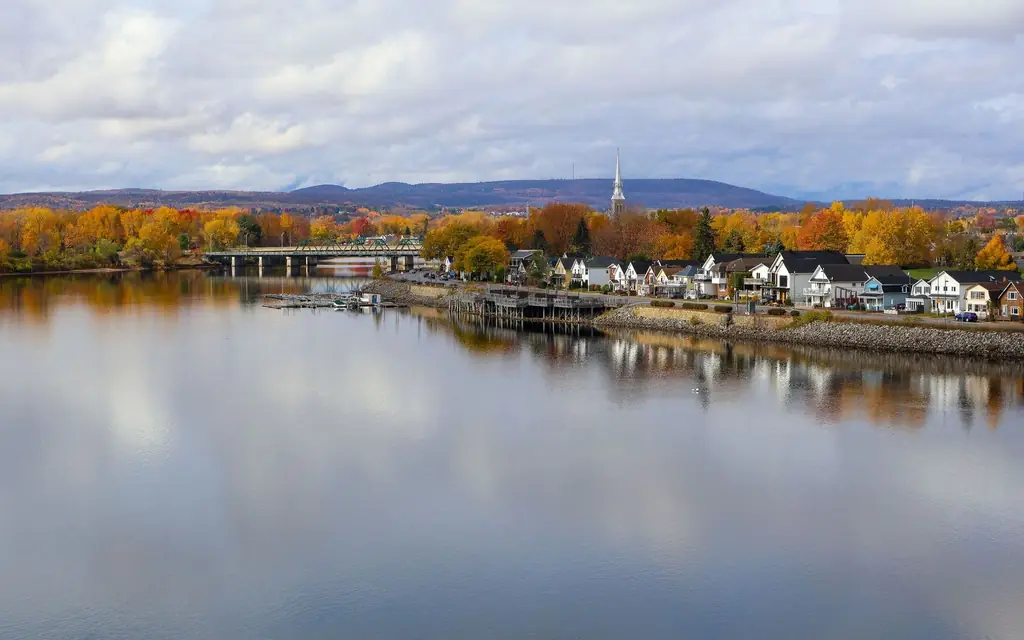
The Quebec City to Windsor corridor is where private intercity travel competes hardest with rail, and where the comparison is most worth making.
| Route | Distance and drive time | Executive Sedan | Luxury SUV | Executive Sprinter |
|---|---|---|---|---|
| Toronto to Montréal | about 540 km, 5 h 30 to 6 h 30 | $2,510 to $2,995 | $3,160 to $3,805 | $4,455 to $5,345 |
| Toronto to Ottawa | about 450 km, 4 h 30 to 5 h | $2,090 to $2,500 | $2,630 to $3,170 | $3,710 to $4,455 |
| Ottawa to Montréal | about 200 km, 2 h to 2 h 30 | $930 to $1,110 | $1,170 to $1,410 | $1,650 to $1,980 |
| Montréal to Québec City | about 255 km, 2 h 45 to 3 h 15 | $1,185 to $1,415 | $1,490 to $1,800 | $2,105 to $2,525 |
Cross-border routes
Two routes cross the international border and add document checks and waiting time to the fare. Border queue time is charged as waiting. The cross-border limo page explains documents and crossings.
| Route | Distance and drive time | Executive Sedan | Luxury SUV | Executive Sprinter |
|---|---|---|---|---|
| Toronto to Buffalo airport | about 165 km, 2 h to 2 h 30 plus border | $765 to $915 | $965 to $1,165 | $1,360 to $1,635 |
| Vancouver to Seattle | about 230 km, 2 h 30 to 3 h 30 plus border | $1,070 to $1,275 | $1,345 to $1,620 | $1,900 to $2,275 |
How far will a private car take me in one transfer?

A private car will take you as far as you need within Canada, but price and time rise with distance. Most of our intercity bookings run 125 to 540 km, from airport-to-resort transfers of about 90 minutes to city-to-city runs of up to six hours. Beyond about 500 km, compare the train and a flight honestly.
There is no upper limit on distance, only a point at which another mode makes more sense. The Toronto to Montréal run at about 540 km is the longest we price routinely, and it works for those who value a private cabin, a flexible departure or a group that would otherwise buy several train tickets. Beyond that, flights and the train are usually better for individuals.
If you need something further, such as a multi-day itinerary from Calgary through Banff to Jasper, the hourly chauffeur page and the travel desk are better starting points than a single per-kilometre quote.
How intercity pricing works
Long routes are priced by distance. The booker takes the pickup and drop-off addresses, calculates the kilometres, and multiplies by the rate for your vehicle. A transfer is never below the vehicle's minimum, which is $145 to $175 for a sedan, $180 to $220 for an SUV and $295 to $355 for a Sprinter.
Tolls are extra. The 407 ETR north of Toronto is a toll highway, and any toll is charged at cost on top of the fare. Gratuity is left to the passenger.
Three things change an intercity fare in practice. A different start point changes the kilometres: Vancouver airport is farther from Whistler than downtown Vancouver, for instance. Extra stops, such as a lunch in Kingston, add time. And waiting adds a charge when the car is held for you. For an exact figure, enter your addresses in the online booker; the rates page lists the full card.
Airport-to-resort and mountain transfers
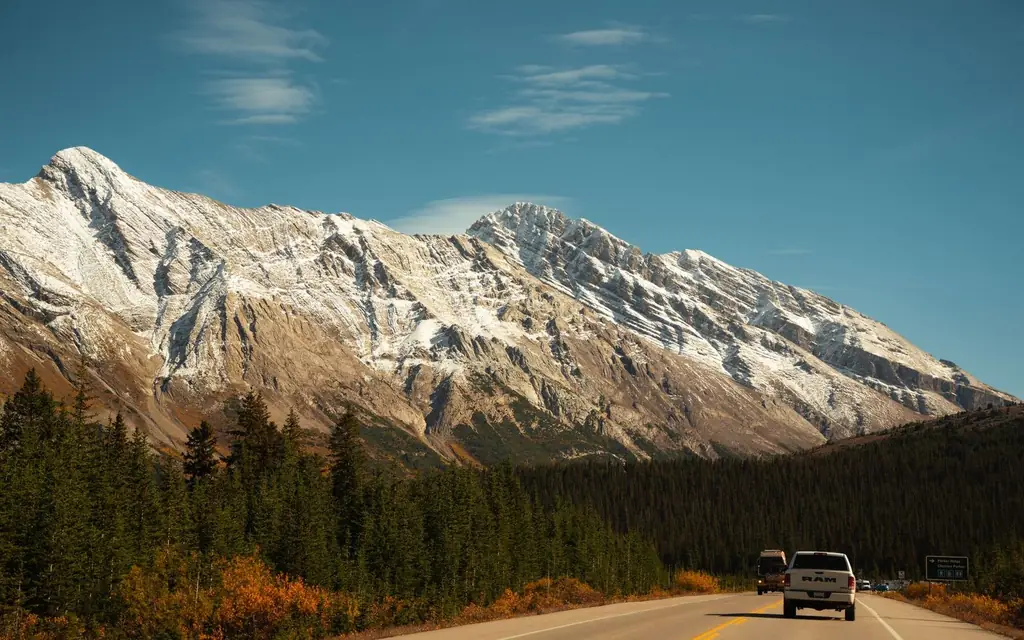
These are the routes where there is often no train, and where the alternative to a private car is a scheduled shuttle or a rental. The Calgary airport to Banff run is about 130 km and roughly 90 minutes according to Banff Lake Louise Tourism, and everyone visiting the national park needs a park pass.
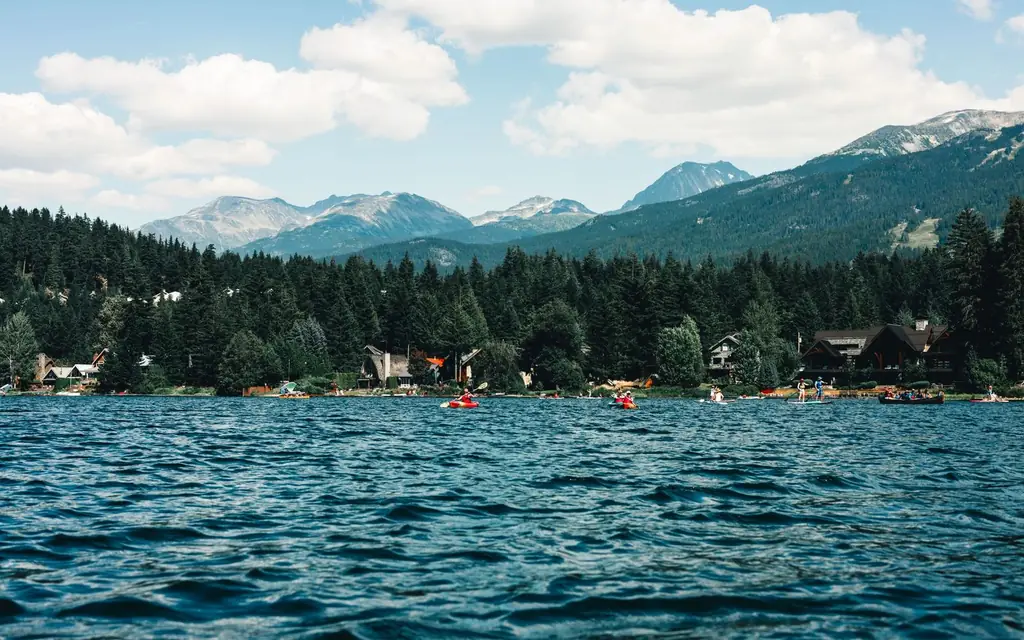
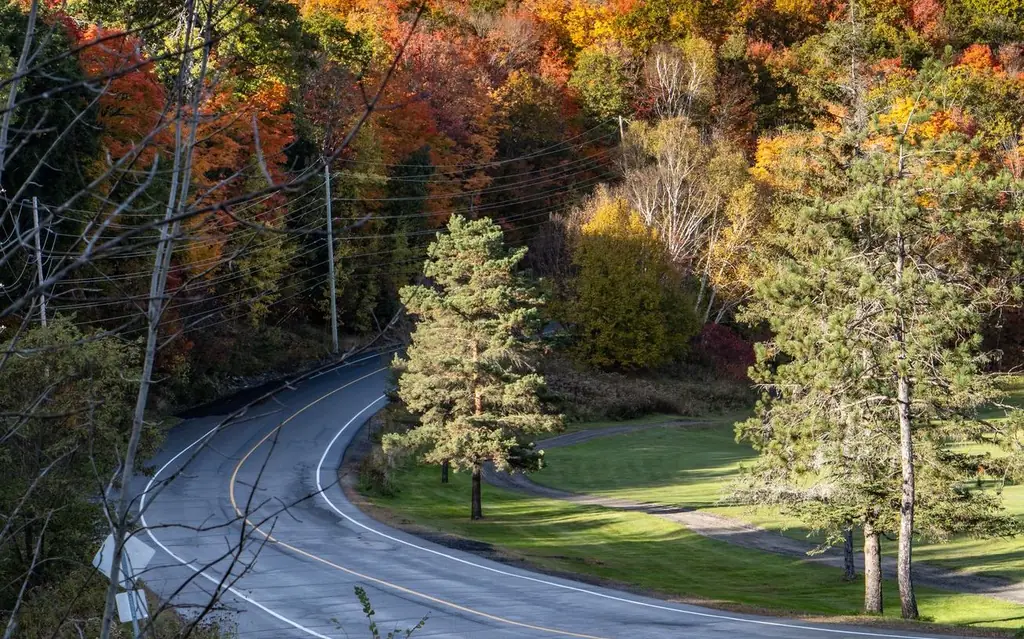
Vancouver to Whistler follows the Sea-to-Sky Highway, which Destination BC describes as about 1.5 hours up the coast; allow more from the airport, on winter weekends and in poor weather. Montréal to Mont-Tremblant is shorter in kilometres but passes through the Laurentians, where winter conditions affect timing.
Muskoka and Jasper are the longest of the resort runs. Pearson to Bracebridge is about 176 km, and Edmonton to Jasper is about 365 km, which is about four hours before stops. Both are worth planning around the time of day, because traffic out of the city on a Friday is the largest variable.
Private car vs train, bus and flight
The honest comparison depends on the route. This table covers the main corridor routes using VIA Rail's published times.
| Route | Private car | VIA Rail | Flight | Best choice |
|---|---|---|---|---|
| Toronto to Montréal | 5 h 30 to 6 h 30 door to door | 538 km, 5 h 13 average, 40 departures a week | Short flight, plus airport time each end | Train for one traveller; car for groups and luggage |
| Toronto to Ottawa | 4 h 30 to 5 h | 444 km, 4 h 32 average, 54 departures a week | Short flight, plus airport time | Train for solo business travel; car for 3 or more |
| Ottawa to Montréal | 2 h to 2 h 30 | 185 km, about 2 h, 34 departures a week | Rarely used | Train, unless you have a group or bags |
| Montréal to Québec City | 2 h 45 to 3 h 15 | 270 km, 3 h 26 average | Rarely used | Train for city-centre travel; car for Charlevoix and the Citadelle area |
On the Ottawa to Montréal run, the train is hard to beat for a single traveller between city-centre stations. On the longer Toronto routes, a car costs more than a train ticket but gives you a private cabin, a flexible departure and no station transfers. You can check the current fares and times on VIA Rail's Toronto to Montréal page.
Where there is no train, as for Banff, Whistler, Tremblant and Muskoka, the choices are a scheduled coach or shuttle, a rental car or a private transfer. For Niagara Falls from Toronto Pearson, the UP Express and GO Transit form a credible low-cost option, which is compared in detail on the Niagara page.
Which vehicle for a long transfer
On a route of two hours or more, comfort and luggage space count for more than they do on a city run. An Executive Sedan seats three passengers with two large bags and two carry-ons. A Luxury SUV seats six with five or six large bags, which is the right choice for a family or a ski group. The Executive Sprinter seats 12 to 14 and suits a team or a wedding party. The fleet page describes each, and the Sprinter van rental page covers group sizes.

Skis, golf bags and hockey bags use more space than their number suggests, so say what you are carrying when you book. For a trip of 130 km, the difference between a sedan and an SUV is about $155 to $195, and it is often the cheapest insurance against leaving a bag behind.
Winter and weather planning
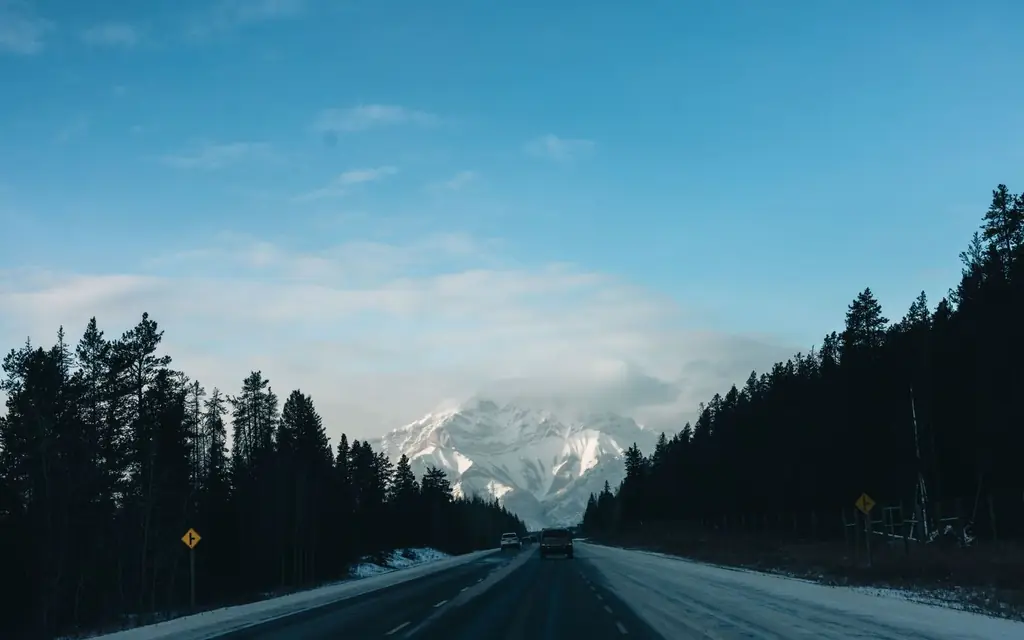
Canada's winter shapes these routes more than any other factor. Mountain passes, lake-effect snow near Muskoka and Niagara, and Laurentian roads can add a good deal of time to a drive. We build a buffer into pickup times in winter, and we advise leaving earlier for flights.
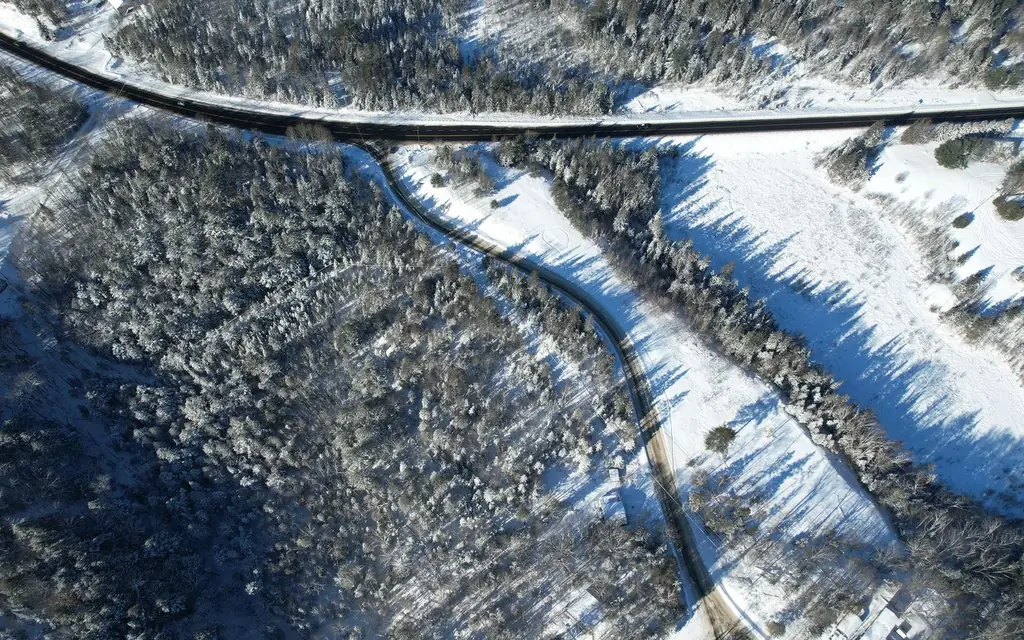
On the Sea-to-Sky Highway, winter-tire rules begin on 1 October each year, and the province sets the end date; check DriveBC for current road conditions before you set out. In the Rockies, Highway 1 and Highway 16 can close for avalanche control or crashes. Plan to be flexible with your arrival time in January.
Stops, detours and sights on the way
A private car lets you stop, and many of the routes include something worth seeing. Between Toronto and Montréal, the 401 passes Kingston, and the Thousand Islands Parkway is an optional detour at Gananoque, which the Montréal tourism guide to the drive describes alongside ONroute service plazas. The Thousand Islands guide covers the area.
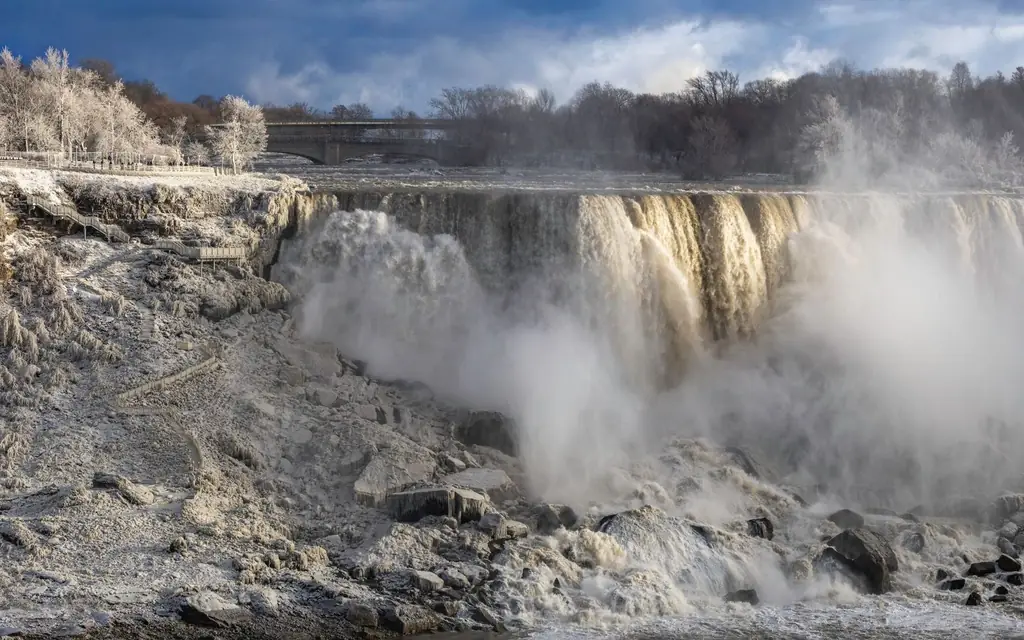
On the way to Niagara, the Niagara-on-the-Lake wineries are a natural half-day addition. Between Calgary and Banff, the Kananaskis Country guide and the Banff National Park guide set out what to see. Between Edmonton and Jasper, the Jasper National Park guide is the place to start.
Stops add time and, if the car waits, a waiting charge, so decide the key one or two before you book rather than improvising at the last minute.
Hotel and resort arrivals
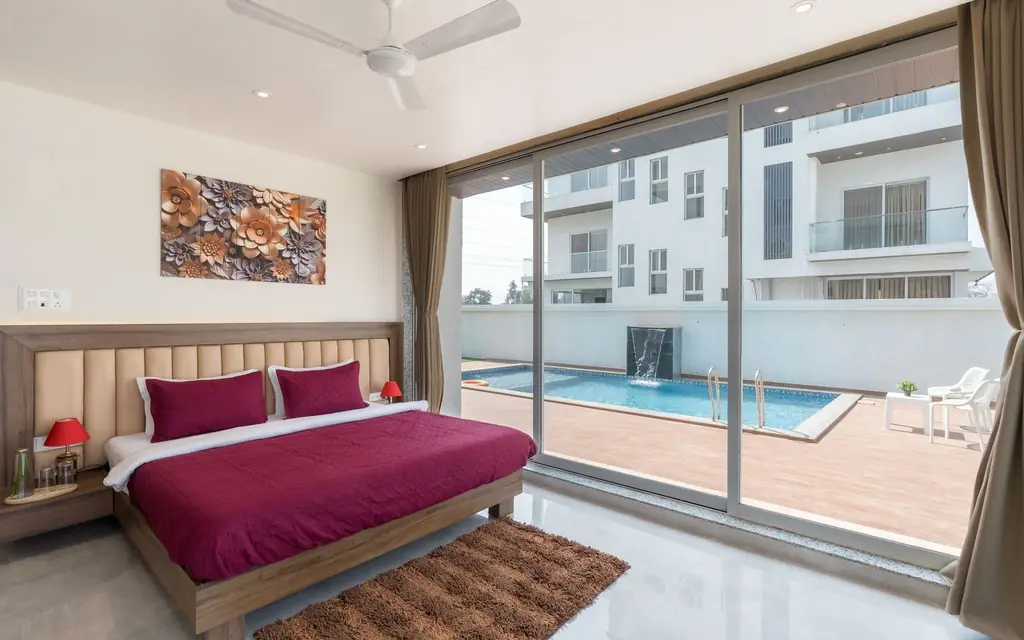
Many of these routes end at a hotel. The Fairmont properties in the mountains, the resort hotels in Whistler and the lodges in Muskoka each have their own arrival practices. Pick the hotel from our hotels and resorts hub and the guide will give the arrival details for each.
If you are staying in Banff, see the Fairmont Banff Springs arrival guide; for Whistler, the Fairmont Chateau Whistler guide and the Four Seasons Whistler guide cover the resort arrivals.
We are not affiliated with any hotel. We simply know the approach roads, the loading areas and the timing.
What an intercity fare includes
The fare covers the vehicle, the chauffeur and the kilometres between your two addresses. It does not include tolls, parking charged by a venue, park or attraction admission, or gratuity. Flight tracking and the free waiting period apply when the pickup is an airport arrival.
A name-board meet-and-greet inside the arrivals hall is an optional $100 to $150. Child seats are free on request. If the route crosses the border, border queue time is charged as waiting at the hourly rate for your vehicle; the CBSA's wait-time board is the best guide to what to expect.
Building a multi-leg trip
Many travellers string several routes together: fly into Calgary, spend two days at Banff, continue to Lake Louise and Jasper, and finish in Edmonton. Each leg is a separate transfer priced by distance, so you can mix vehicles, such as an SUV for the family on the mountain legs and a sedan for the airport run at the end.
Similarly, a business visit to Ottawa and Montréal can combine the Ottawa to Montréal run with a day of hourly bookings in each city. The Ottawa limo page and the Montréal limo page cover the city sides. Booking the whole chain at once helps us place the right vehicle in the right city, and the travel desk will do the planning if you prefer.
Booking an intercity transfer
Enter the pickup and drop-off addresses in the online booker, choose a vehicle and a time, and the fare appears. For airport pickups, add the flight number; we track the flight and allow 60 minutes of free waiting after an international landing, or 30 minutes after a domestic one.
For a cross-border route, add every passenger's name, because the border step needs them. For resort routes, note the hotel and any late check-in. If your trip is more complicated than a single transfer, the travel desk can plan a sequence.
Frequently asked questions
How much does a private car cost between Toronto and Montréal?
The trip is about 540 km and 5 h 30 to 6 h 30. An Executive Sedan is $2,510 to $2,995, a Luxury SUV is $3,160 to $3,805, and an Executive Sprinter is $4,455 to $5,345, before tax.
What is the cheapest way to get from the airport to a ski resort?
A scheduled shuttle or coach is usually the lowest-cost option, where one runs. A private car is more expensive but door to door, with luggage space, and it is competitive when split between three to six people.
Can I book a one-way intercity transfer?
Yes. Most routes are booked one way, and the fare is the distance multiplied by the per-kilometre rate, never below the minimum. A return can be added in the same booking.
How are intercity limo fares calculated?
By distance. A sedan costs $4.65 to $5.55 per km, an SUV $5.85 to $7.05, and a Sprinter $8.25 to $9.90, with minimums. Tolls and any waiting are extra, and gratuity is optional.
Is the train better than a car between Ottawa and Montréal?
For a single traveller between city-centre stations, often yes. VIA Rail lists about two hours for the 185 km rail trip. A car is better for groups, bags or an address outside the centre.
Do you serve routes that are not listed?
Yes. The online booker prices any two Canadian addresses. The routes on this page are the ones we price most often, and each has its own page with local detail.
Do I need a park pass for Banff or Jasper?
Yes, everyone visiting Banff or Lake Louise needs a Parks Canada pass, according to Banff Lake Louise Tourism, and Jasper also requires one. Buy it online ahead of time where possible.
Are intercity transfers more expensive in winter?
The per-kilometre rate does not change by season, but winter can extend drive times, and any extra waiting is charged as waiting. Allow a buffer for mountain and Laurentian routes.